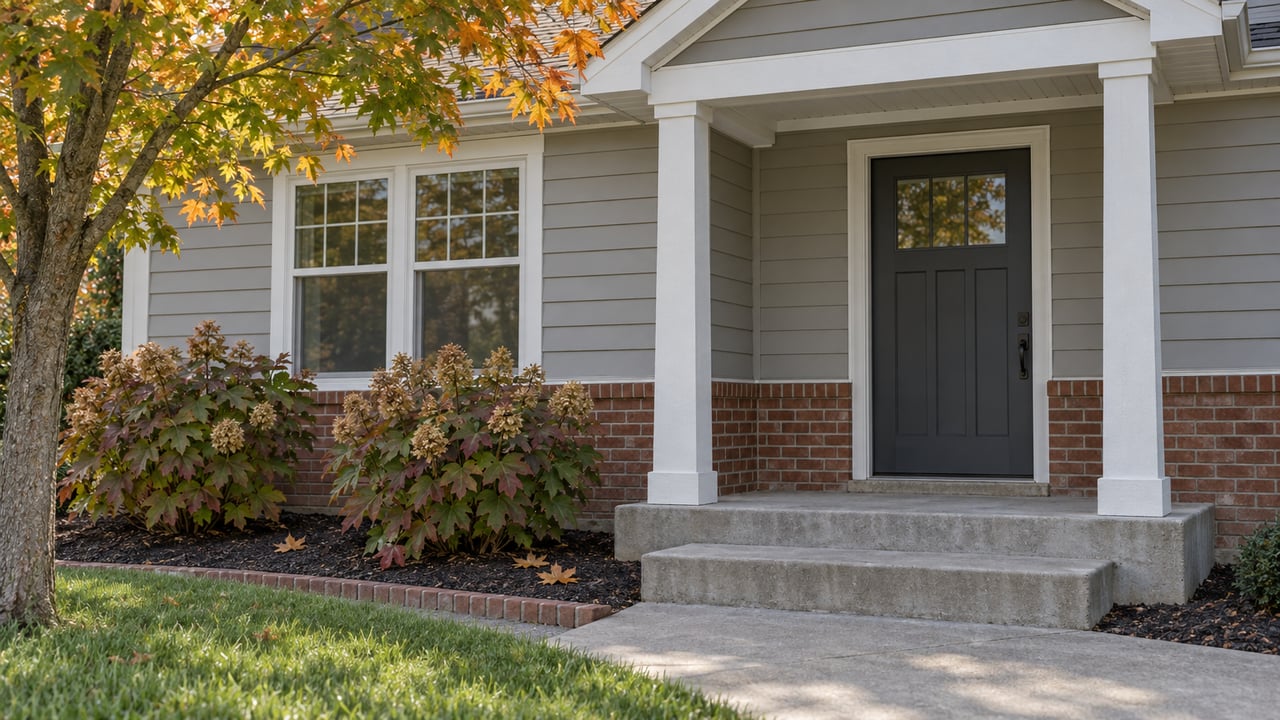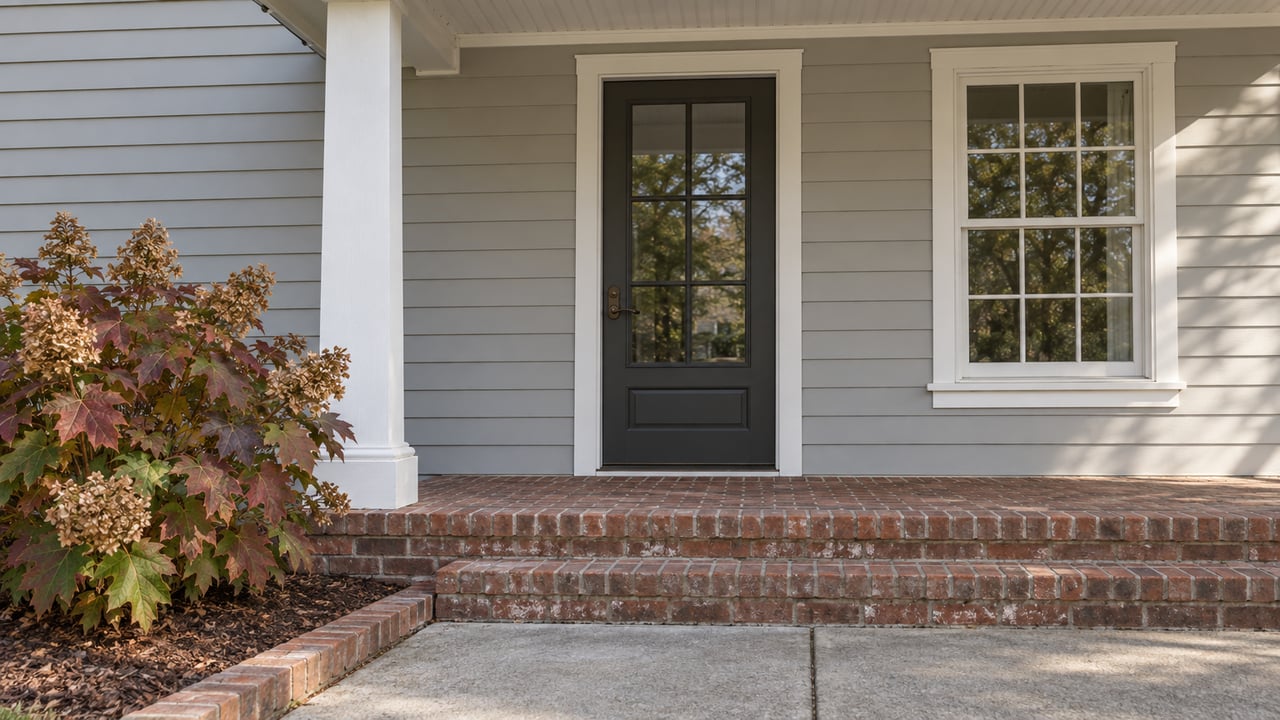
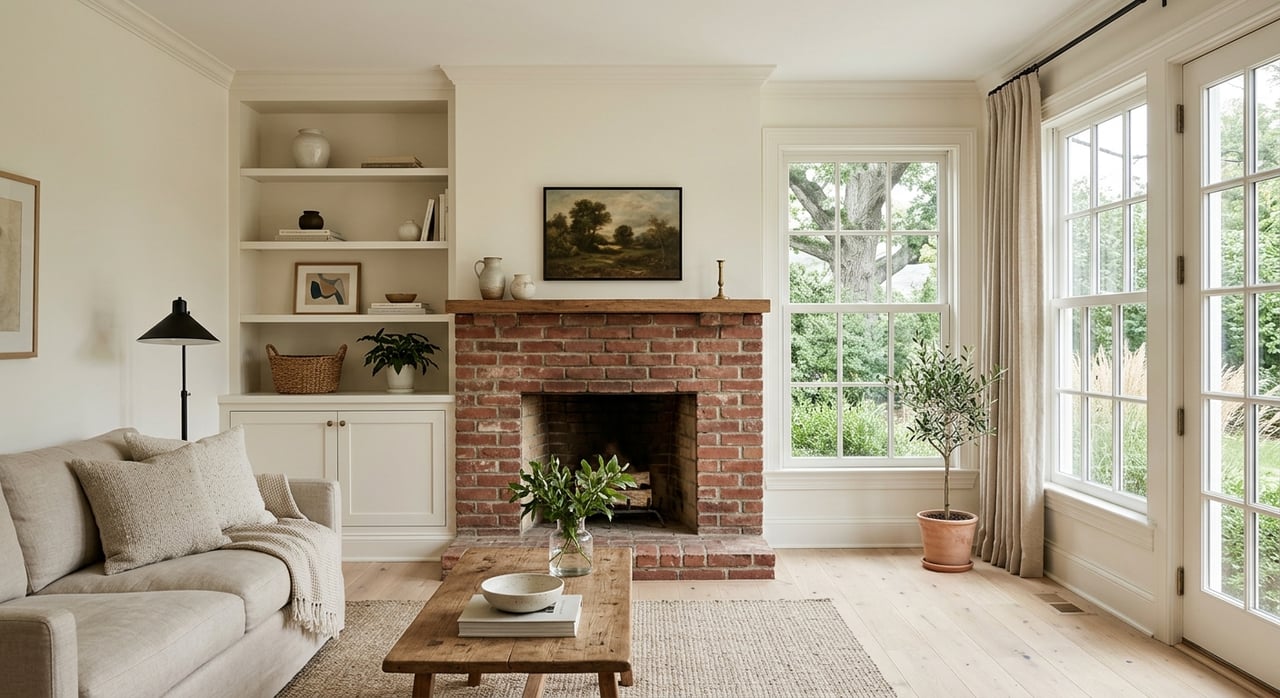
Trying to choose between a new build and an older home in Kirkwood? You are not alone. In 63122, that decision often comes down to more than square footage or finishes because Kirkwood blends historic character with ongoing redevelopment. If you want to weigh charm, maintenance, energy use, and future plans with more confidence, this guide will help you sort through the tradeoffs. Let’s dive in.
Why Kirkwood makes this decision unique
Kirkwood has a long architectural history, and that shapes how buyers think about homes here. According to the City of Kirkwood, it was established in 1853 and became the first planned residential commuter suburb west of the Mississippi. The city also maintains designated landmarks and local historic districts, so many homes reflect distinct design eras rather than one single style.
That means an older home in Kirkwood may offer anything from a Bungalow or Colonial Revival look to Cape Cod, Shingle, or Mid-Century Modern features. At the same time, Kirkwood still adds housing through redevelopment, including the city’s plan to turn the former Public Works site into a walkable mixed-housing neighborhood connected to Downtown Kirkwood.
Kirkwood also appears to be a stable, homeowner-focused market. U.S. Census QuickFacts shows a 77.2% owner-occupied rate and that 91.2% of residents lived in the same home one year ago. For you, that can make long-term fit, condition, and resale appeal especially important.
New builds in Kirkwood
New construction often appeals to buyers who want a more predictable ownership experience. If you prefer modern layouts, newer systems, and potentially lower operating costs, a new build may feel like the simpler choice.
New build advantages
A big benefit is energy performance. ENERGY STAR says certified homes are at least 10% more energy efficient than homes built to minimum code, with third-party inspections and testing such as blower door and duct leakage tests. The U.S. Department of Energy also describes efficient new homes as integrated systems designed for comfort, durability, and efficiency.
You may also find that newer homes better match how people live today. Open layouts, newer kitchens, larger closets, and updated mechanical systems can reduce the number of projects waiting for you after closing.
In Kirkwood, new homes may also go through local design review. The city’s Architectural Review Board reviews new single-family residences and certain exterior projects to help keep them in harmony with neighborhood scale and streetscape.
New build tradeoffs
The biggest tradeoff is usually character versus convenience. A newer home may offer cleaner lines and newer finishes, but it may not have the same historic details or period materials that many buyers associate with Kirkwood.
You also should not assume a new home is problem-free. The Consumer Financial Protection Bureau recommends scheduling an independent home inspection as soon as possible, even when the property is newly built. Workmanship issues or defects can still show up, and an inspection gives you a clearer picture before closing.
Older homes in Kirkwood
If you love established architecture and neighborhood character, older homes are often what make Kirkwood stand out. They can feel more connected to the city’s identity and often offer details that are hard to replicate in newer construction.
Older home advantages
Kirkwood’s architectural guidelines highlight a wide range of home styles and features, including porches, traditional materials, and varied floor plans. You can review those local design patterns in the city’s architectural design guidelines. In other words, older does not always mean outdated or chopped up.
In fact, some mid-century homes already include open and often L-shaped layouts. That can give you a mix of vintage character and functional flow without needing major reconfiguration.
Older homes may also appeal to buyers who value mature streetscapes and a strong sense of place. In a city that has made preservation a priority, those features can be part of what keeps Kirkwood’s housing stock distinctive.
Older home tradeoffs
The main challenge with older homes is uncertainty around systems and materials. As homes age, the chances of hidden issues with electrical, plumbing, foundations, roofing, or other components can rise.
Lead safety is another important consideration. The EPA says 87% of homes built before 1940 have some lead-based paint, and 24% of homes built between 1960 and 1978 do as well. The agency advises assuming a pre-1978 home contains lead-based paint unless a certified professional determines otherwise.
That does not mean you should avoid older homes. It simply means you should plan carefully for inspections, renovation costs, and lead-safe work practices if updates are needed.
Permits, inspections, and reviews to know
Whether you buy new construction or an older home, local approvals matter in Kirkwood. The city says permits and inspections are required for all new construction and for remodeling and repair work.
For you as a buyer, this matters in two ways. First, it helps to ask whether past work was properly permitted and inspected. Second, if you plan to renovate after closing, you will want to understand what reviews or approvals may apply before you finalize your budget.
Historic district and landmark review
Some older properties come with another layer of oversight. The city’s Landmarks Commission reviews exterior alterations, demolition, and new construction on designated landmark sites and within local historic districts before a building permit can be issued.
If you are thinking about replacing exterior features, building an addition, or tearing down and rebuilding, this step can affect both timeline and design options. National Register status is honorary, according to the city, but local landmark and historic district designation creates stronger protections.
Independent inspection still matters
No matter which type of home you choose, an independent inspection is one of your best tools. The CFPB recommends attending the inspection if you can and using the report to negotiate repairs or reconsider the purchase if serious problems are found.
That advice applies to both categories. Older homes may have aging systems, while new homes may still have workmanship or performance issues that are easier to address before closing.
How to compare the two options
If you are torn between the two, it helps to focus on the kind of ownership experience you want. In simple terms, new builds often offer more predictability, while older homes often offer more character.
Here is a practical way to compare them:
| Factor | New Build | Older Home |
|---|---|---|
| Layout | Often more open and modern | Varies by era, sometimes more segmented, sometimes surprisingly open |
| Energy use | Often stronger performance, especially if certified | Depends on updates, insulation, windows, and systems |
| Immediate repairs | Usually fewer at move-in | May need more early maintenance or upgrades |
| Architectural style | More current design language | Often stronger period details and historic character |
| Renovation rules | May still require city review for projects | May involve added review if landmarked or in a historic district |
| Long-term planning | Verify workmanship and performance | Budget for systems updates and possible lead-safe renovation |
Think beyond the purchase price
The smarter question is not just “Which home costs less today?” It is “Which home fits your budget and lifestyle over the next several years?”
With a new build, you may pay more upfront for newer systems and efficient construction, but you could see benefits in comfort and operating costs. ENERGY STAR also notes that efficient homes have shown sales price premiums in some markets.
With an older home, the initial price may or may not be lower, but your long-term budget should leave room for upkeep, updates, and possible specialty work. In Kirkwood, that can be especially important if the home has historic significance or if you plan exterior changes.
Resale in a stable Kirkwood market
Resale value is rarely about age alone. In a market like Kirkwood, homes in both categories can perform well when they are maintained, functional, and well-matched to their setting.
The local ownership and stability shown in Census QuickFacts suggest that buyers here may pay close attention to condition, updates, and overall fit. A well-kept older home with thoughtful improvements can be compelling, and so can a newer home with strong design and documented performance.
If you are thinking ahead, keep your focus on the basics that tend to matter over time:
- A layout that supports your day-to-day life
- Clear maintenance records and recent updates
- Realistic renovation goals
- Awareness of city review requirements
- A home that fits the surrounding neighborhood context
Which one is right for you?
A new build may be the better fit if you want lower-maintenance living, modern design, and more predictable efficiency from day one. It can be a strong option if your priority is convenience and fewer immediate projects.
An older Kirkwood home may be the better fit if you care most about architecture, established character, and the feel of a home with history. It can be a great choice if you are comfortable evaluating condition carefully and planning for upkeep over time.
If you are weighing both options in 63122, the best next step is to compare specific homes, not just categories. The right decision usually becomes clearer when you look at inspection findings, renovation goals, neighborhood context, and your timeline together.
If you want help comparing new builds and older homes in Kirkwood, the Chris & Kait Real Estate Team can guide you through the tradeoffs, flag the questions worth asking, and help you find the option that fits your goals.
FAQs
What should you compare when choosing between a new build and an older Kirkwood home?
- Focus on layout, energy performance, likely maintenance, inspection findings, renovation plans, and whether the property may be subject to local design or preservation review.
Do new construction homes in Kirkwood still need a home inspection?
- Yes. The Consumer Financial Protection Bureau recommends an independent home inspection as soon as possible, even for newly built homes.
What should you know about historic districts in Kirkwood before buying an older home?
- If a home is a designated landmark or located in a local historic district, exterior changes, demolition, or some new construction may require review by the Landmarks Commission before permits are issued.
Are older homes in Kirkwood always chopped up or outdated in layout?
- No. Kirkwood’s architectural guidelines note that some older homes, especially certain mid-century homes, already have open or L-shaped floor plans.
What lead-paint concerns come with older homes in Kirkwood?
- The EPA advises assuming homes built before 1978 contain lead-based paint unless a certified professional determines otherwise, so renovation plans should account for lead-safe practices.
Is resale stronger for new builds or older homes in Kirkwood?
- It depends more on maintenance, layout, condition, and neighborhood fit than on age alone, especially in a stable, owner-occupied market like Kirkwood.