Wondering which updates are actually worth doing before you sell in Des Peres or Town & Country? In high-value West County markets, buyers often notice outdated finishes and deferred maintenance quickly, which can make the wrong project feel expensive and the right project feel powerful. If you want to spend wisely before listing, this guide will help you focus on the updates most likely to make your home feel polished, current, and well cared for. Let’s dive in.
Why smart updates matter here
Des Peres and Town & Country are both premium corners of the St. Louis market, and presentation matters. Realtor.com reported an April 2026 median listing price of $1.085 million in Des Peres and $928,182 in Town & Country, while market pace and sale-price figures vary by source and timeframe.
That range tells you something important. Buyers in these areas are often comparing several polished homes at once, so visible wear or dated finishes can stand out fast. A pre-sale plan should help your home feel move-in ready without turning your project list into a full renovation.
Start with curb appeal
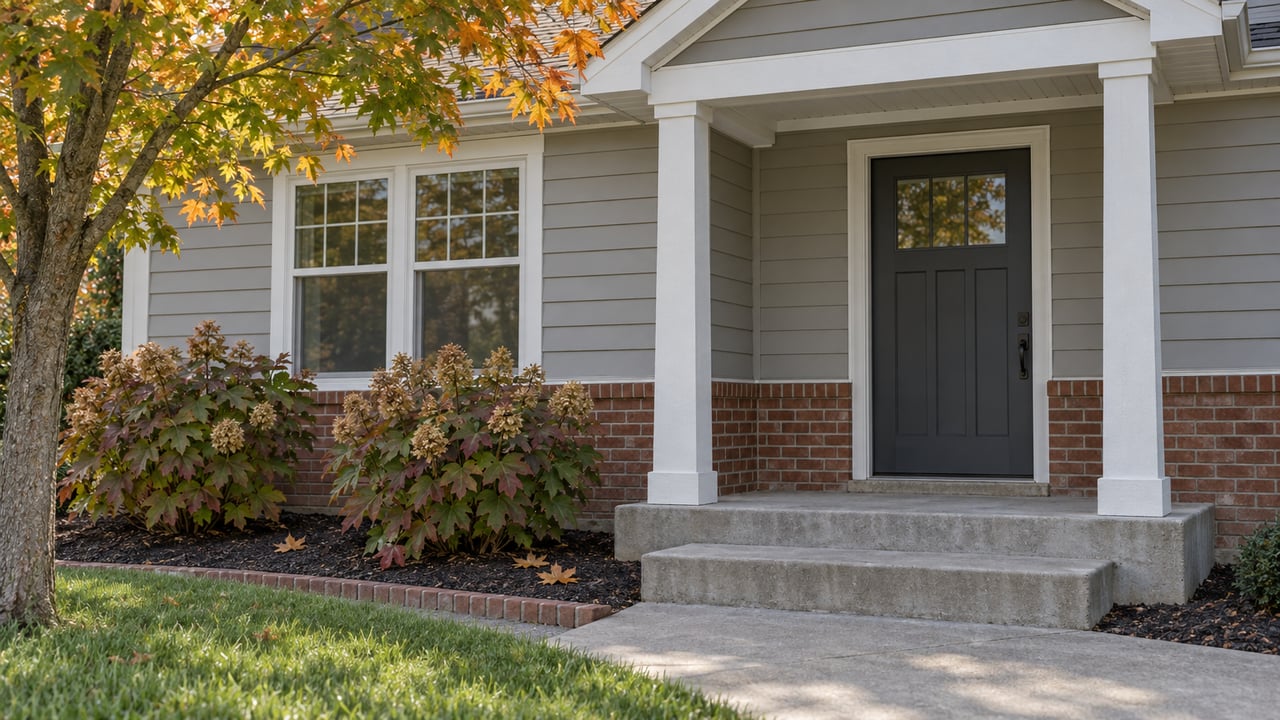
If you are deciding where to spend first, the exterior is usually the safest place to begin. The National Association of REALTORS reported that 92% of REALTORS recommend improving curb appeal before listing, and 97% say curb appeal is important to attracting a buyer.
That matters even more in Des Peres and Town & Country, where first impressions often shape how buyers view the rest of the home. A tidy, fresh exterior signals maintenance, care, and value before anyone walks through the front door.
Exterior projects that make sense
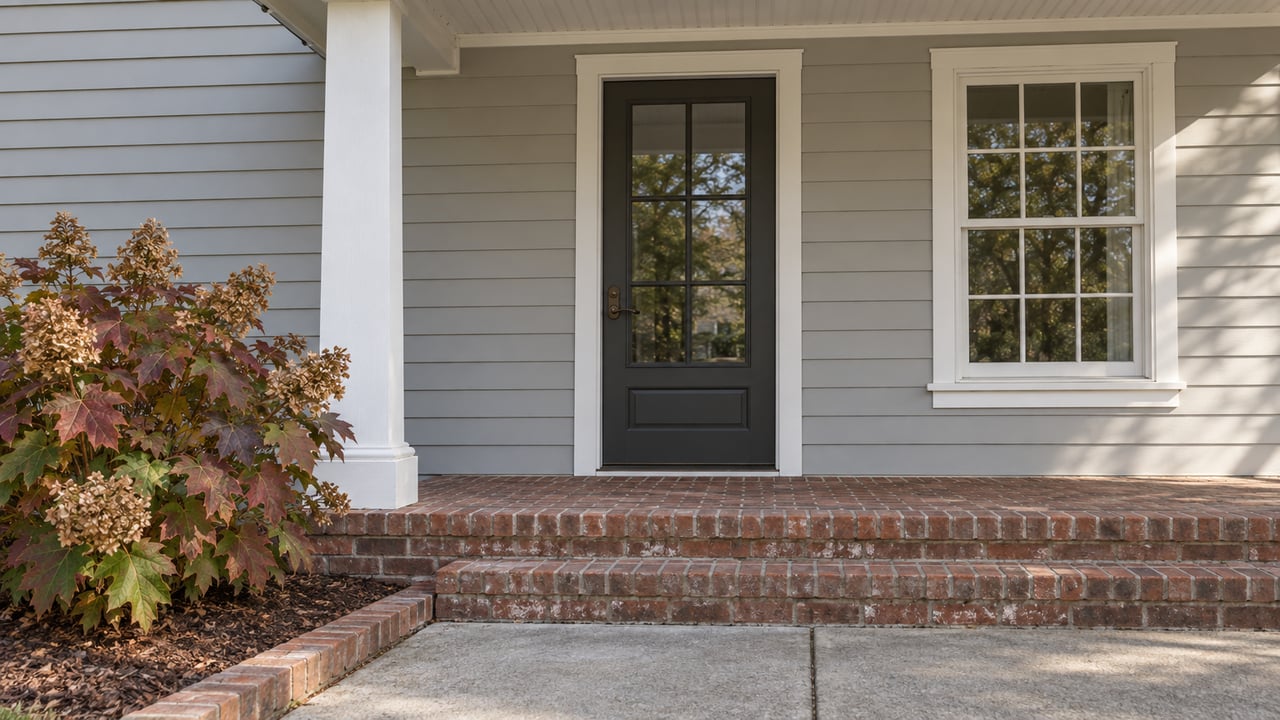
Low-drama updates are usually the best first dollars. The 2024 Cost vs. Value report found that nine of the top 10 return-on-investment projects were exterior improvements, with garage-door replacement, exterior-door replacement, and manufactured stone veneer leading nationally.
Before listing, consider practical improvements like:
- Fresh mulch and landscape cleanup
- Touch-up paint or full repainting where needed
- Front door refresh or replacement
- Garage door update if it looks worn or dated
- Pressure washing walkways, siding, and patios
- Simple lighting or hardware updates at the entry
These projects can improve the look of your home without creating long timelines or major permit issues.
Paint and repairs come before big remodels
Many sellers assume they need a dramatic renovation to compete. In reality, obvious repairs and clean cosmetic updates often do more for buyer confidence than a large custom project.
The 2025 Remodeling Impact Report notes that homeowners remodel to improve functionality, livability, durability, and aesthetics. For a seller, that usually means fixing what buyers will question first, then stopping before the work becomes too personal or too expensive for the neighborhood.
Fix buyer objections first
Before you choose finishes, walk through your home like a buyer would. Look for the things that suggest neglect, even if they feel minor to you.
Start with items like:
- Scuffed walls or bold paint colors
- Worn carpet or damaged flooring
- Loose hardware or sticking doors
- Leaky faucets or dated plumbing fixtures
- Burned-out light bulbs or mismatched lighting
- Cracked caulk in kitchens and baths
- Roof or exterior wear that is visibly noticeable
NAR also says REALTORS commonly recommend painting the entire home, painting a single room, and installing new roofing before listing. Neutral paint and functional repairs can make a home feel fresher without over-improving it.
Keep kitchen and bath updates light
Kitchens and bathrooms matter, but that does not automatically mean a full remodel is the best move before you sell. In many cases, a light refresh creates a better balance of cost, speed, and resale appeal.
The 2025 Remodeling Impact Report gave a kitchen upgrade a Joy Score of 10, and NAR says kitchen upgrades, new roofing, and bathroom renovations have seen strong recent demand. For most sellers, the key is choosing selective improvements that help the room feel current.
Best kitchen refresh ideas
A kitchen does not need to be brand new to show well. It needs to feel clean, functional, and visually consistent with the rest of the home.
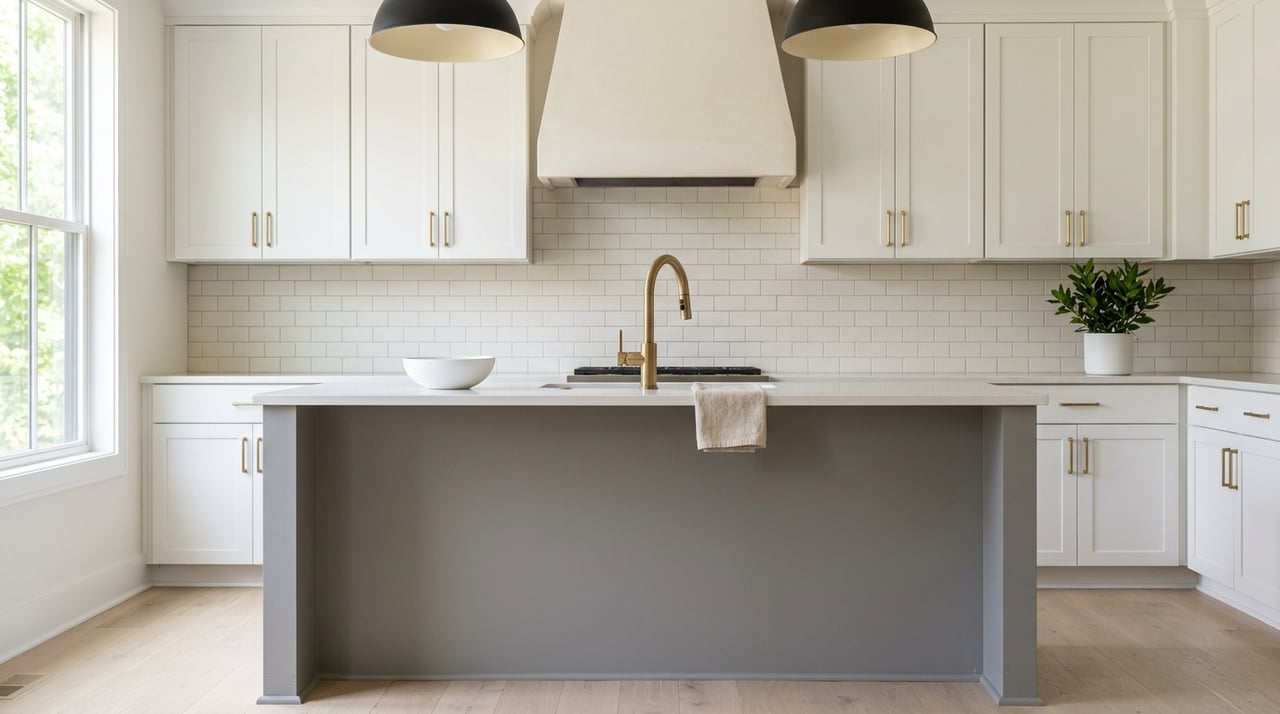
Smart kitchen updates may include:
- Painting cabinets if the finish is dated or worn
- Replacing old hardware
- Updating light fixtures
- Swapping in a more current backsplash
- Replacing a tired faucet
- Refreshing countertops only if they are visibly dated or damaged
A minor kitchen remodel also posted a strong 96% ROI in the 2024 Cost vs. Value report, which supports a measured approach rather than a full gut renovation.
Best bathroom refresh ideas
Bathrooms can also benefit from focused cosmetic work. Buyers tend to respond well to spaces that feel bright, clean, and maintained.
Consider updates such as:
- New mirrors or vanity lighting
- Fresh paint in a neutral tone
- Recaulking tubs and showers
- Replacing dated faucets or cabinet pulls
- Updating worn flooring if needed
If the bathroom works well and does not feel severely outdated, a refresh is often enough.
Know when to skip the remodel
Not every project belongs on your pre-sale checklist. In Des Peres and Town & Country, larger jobs can trigger permitting, plan review, county approvals, or subdivision communication that complicates your timeline.
That is why the safest pre-list projects are often paint, landscaping, simple repairs, and selective cosmetic updates. They help your home show better without pulling you into a long construction cycle.
Projects that can slow you down
Be cautious with projects that involve structural changes, major exterior revisions, or expanded square footage. These jobs can create delays, budget growth, and design choices that may not match what buyers in your price range want.
You may want to pause before taking on:
- Room additions
- Major layout changes
- Full custom kitchen remodels
- Large deck or porch rebuilds
- Retaining walls or major drainage work
- Pool additions
- Extensive exterior redesigns
The goal before listing is not to create your dream home. The goal is to remove friction for the next buyer.
Permits can affect your selling timeline
If your project goes beyond basic cosmetic work, timing matters. Local permit rules in Des Peres and Town & Country can add steps that sellers should account for early.
In Des Peres, the city says normal permit review time is 7 to 10 business days, and interior residential remodels do not require a site plan. Electrical, plumbing, and mechanical permits must come from St. Louis County before construction starts.
For larger exterior work in Des Peres, the permit process may involve a site plan, stormwater analysis, and possibly a refundable deposit. That can make even a well-intended project more involved than expected.
In Town & Country, permits are required for many renovation types, including roof replacements, decks, porches, retaining walls, pools, basement finishes, and work involving framing, beams, footings, or roofing. The city requires two sets of plans, and exterior residential projects need evidence of contact with subdivision trustees.
Town & Country also notes that impervious additions require runoff and green-space calculations, and projects with a construction value of $50,000 or more require a $5,000 street-guarantee escrow. Electrical and plumbing permits are handled by St. Louis County there as well.
What this means for you
If you hope to list soon, scope any non-cosmetic work early. Permit review, contractor lead times, and possible county or trustee coordination can stretch a project longer than many sellers expect.
That is one reason the most reliable pre-sale updates are usually the simplest ones. They can improve presentation quickly and help you stay on schedule.
Build your budget around your likely sale
A smart pre-sale budget starts with your likely price point, not just your wish list. In upper-end markets like Des Peres and Town & Country, updates should support the value of the home without pushing it beyond what local buyers expect.
That means comparing your home’s condition to nearby competition and choosing projects that close the gap. You also want to leave room for contractor availability, permits, and inspections if your scope expands.
A simple way to prioritize
Use this order when planning your pre-list spending:
- Fix visible maintenance issues
- Improve curb appeal
- Repaint in neutral tones where needed
- Refresh key kitchens and baths
- Stop before the project becomes highly customized
This approach helps you spend where buyers are most likely to notice the difference.
The goal is polished, not overbuilt
The strongest pre-sale strategy in Des Peres and Town & Country is usually not the most expensive one. It is the one that makes your home feel cared for, current, and easy for buyers to picture themselves in.
A polished exterior, neutral interior paint, and a selective kitchen or bath refresh often do more than a large remodel with a long timeline. If you want help deciding what is worth doing before you list, the Chris & Kait Real Estate Team can help you build a smart, market-aware plan for your home.
FAQs
What pre-sale updates are safest in Des Peres and Town & Country?
- The safest updates are usually curb appeal improvements, entry updates, neutral paint, simple repairs, and small kitchen or bathroom refreshes.
What home projects should sellers avoid before listing in Town & Country or Des Peres?
- Sellers should be cautious with large remodels, structural changes, additions, and major exterior work that can trigger permits, approvals, or long construction timelines.
Do home renovations require permits in Town & Country?
- Yes. Town & Country requires permits for many projects, including renovations, basement finishes, roof replacements, decks, porches, pools, retaining walls, solar systems, and work involving framing, beams, footings, or roofing.
How long does permit review take in Des Peres?
- Des Peres says normal permit review time is 7 to 10 business days, though project scope and required approvals can affect timing.
How should you budget for pre-sale updates in Des Peres or Town & Country?
- Start with your likely sale price, compare your home’s condition to local competition, and leave room in your budget for permits, lead times, and inspections if needed.