Wondering what makes historic homes in Webster Groves feel so special long after the novelty wears off? It is not just the curb appeal. It is the way older homes here connect architecture, daily life, and neighborhood character in a city known for tree-lined streets, walkable neighborhoods, and historic business districts. If you are curious about what it is really like to own or buy one of these homes, this guide will help you understand the charm, the tradeoffs, and the long-term appeal. Let’s dive in.
Why Webster Groves Feels Distinct
Webster Groves was established in 1896 and grew from five earlier communities along railroad lines. Today, the city describes itself as a predominantly residential community, and that identity still shows up in the rhythm of everyday life. You see it in the mature trees, the neighborhood streets, and the mix of older homes that give many blocks a strong sense of place.
The city’s housing story runs deep. Webster Groves includes five historic districts, 48 historic landmarks, and homes built from the mid-1800s to the present. That means when you shop here, you are not looking at one repeating style. You are stepping into a local housing stock shaped over generations.
Historic Home Styles You May See
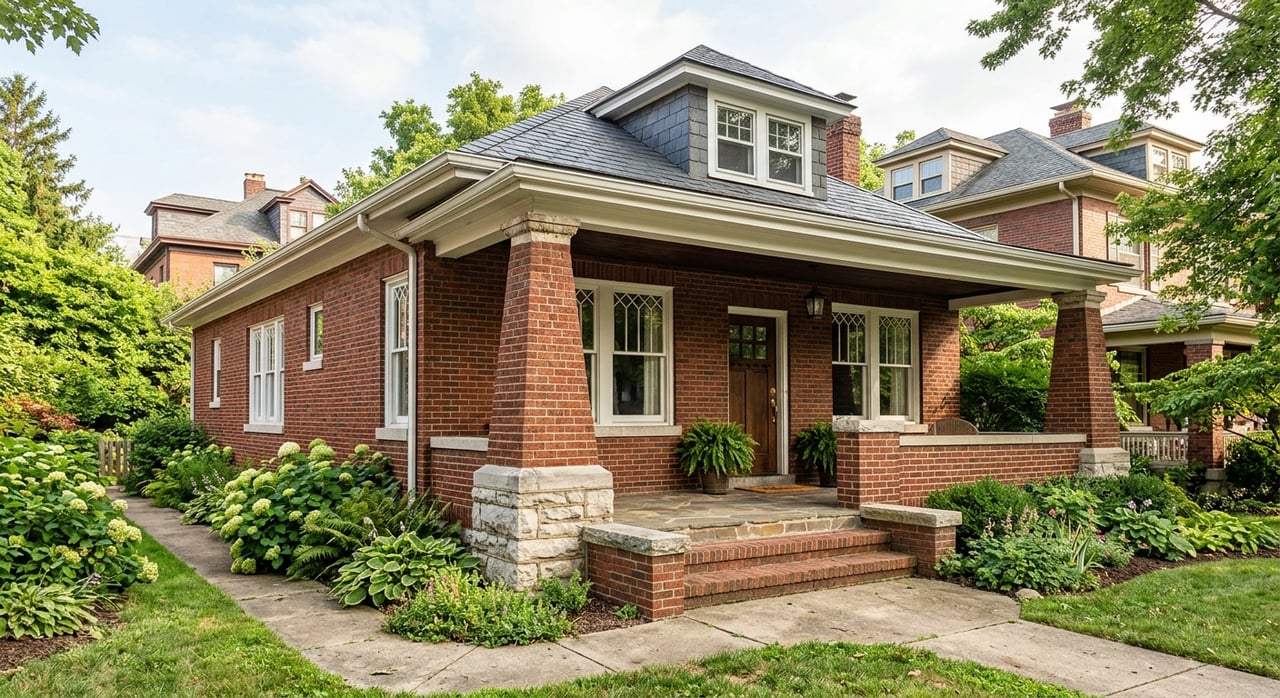
One of the biggest draws of Webster Groves is variety. According to the Webster Groves Historical Society’s walking-tour materials, you can find Victorian architecture, Queen Anne homes, American Foursquares, bungalows, and Tudor Revival houses across the city.
In Central Webster, the housing mix includes mostly single-family frame houses that are two or two-and-a-half stories tall. The district features Queen Anne, Shingle Style, Italianate, Victorian vernacular, American Foursquare, Craftsman, and bungalow examples. That range gives many streets a layered look that feels collected over time rather than built all at once.
Architectural Details That Stand Out
Historic homes here often have memorable exterior details. Tudor Revival homes, for example, are described by the Historical Society as having steeply pitched gables, heavy chimneys, and timbered lintels. Those features can make even a quick drive through the neighborhood feel visually interesting.
Other areas add to that mix. Tuxedo Park includes Queen Anne homes and 20th-century bungalows, while Old Orchard includes 1920s houses with Tudor Revival examples. If you love homes with individual character, Webster Groves gives you plenty to notice.
The Everyday Charm Goes Beyond Architecture
Historic appeal is not just about trim, porches, or rooflines. In Webster Groves, the setting around the homes plays a huge role in why people stay. The city is known for tree-lined streets, single-family homes, walkable neighborhoods, and historic business districts.
Location also adds to the convenience. Webster Groves says it is about a 10-minute drive from downtown St. Louis and Clayton, and it has two MetroLink stations nearby. That can make the city appealing if you want neighborhood character without giving up access to major job centers and regional destinations.
A Community Rhythm That Supports Daily Life
The local calendar helps bring these neighborhoods to life. Annual events include the Webster Art Fair, Old Webster Jazz & Blues Festival, Community Days, Old Webster Street Dance, Christmas Open House, and the Gazebo Park Concert and Movie Series.
There is also a weekly farmers market from April through October. Together, these events support the kind of day-to-day lifestyle many buyers picture when they imagine living in an established community with a strong local identity.
What Living In An Older Home Can Feel Like
Older homes often live differently than newer construction. Based on the district descriptions and preservation context, many homes in Webster Groves are likely to have more defined rooms, porches, and a stronger connection to the street than a typical open-concept new build.
For some buyers, that is exactly the appeal. You may appreciate formal entries, separated living spaces, or exterior details that make the house feel rooted in its setting. If you prefer brand-new layouts and lower-maintenance finishes, you may need to weigh character against convenience.
Why Webster Groves Can Be A Long-Term Fit
The city’s numbers suggest stability. QuickFacts reports a 2025 population of 23,450, with 76.1 percent owner-occupied housing. It also reports that 91.0 percent of residents lived in the same house one year earlier.
Those figures point to a community where many people put down roots. Median owner-occupied home value is listed at $387,600, and median household income is $115,227. While every buyer’s budget and goals are different, the broader picture suggests an owner-heavy market where people often stay and invest in their homes over time.
What Buyers Should Know About Renovations
Historic homes can be rewarding, but they usually ask more of you. In Webster Groves, historic designation is intended to manage change rather than stop it completely. Still, exterior work may trigger review before you can move forward.
The Architectural Review Board reviews exterior renovations, additions, signs, and fences in historic districts before Building Commissioner approval. The city also says most exterior or interior construction requires a building permit, and work in historic districts or on landmarks may require a Certificate of Appropriateness.
Renovation Planning May Take More Time
If you are considering a kitchen remodel, bath update, addition, or visible exterior change, expect more planning than you might need in a newer neighborhood. The city notes that many Webster Groves homes were built before modern building codes, and kitchen or bath remodels must be upgraded to current minimum standards.
There is also an important ownership-change step to keep in mind. Webster Groves requires occupancy inspections and permits when ownership changes. For buyers, that means due diligence matters before and after closing.
Preserving Character Matters Here
Part of Webster Groves’ appeal is that its older homes have not been stripped of what makes them distinctive. City guidance for historic areas emphasizes preserving original character where possible. That includes keeping roof shapes, preserving original masonry and windows, and using replacement windows that match the originals.
Guidelines in areas such as Marshall Place and Old Webster also stress compatibility, same-material repairs, and low, decorative front-yard fences. If you are buying a historic home, it helps to think of yourself not just as an owner, but also as a steward of the home’s visible character.
Trees Are Part Of The Experience
In Webster Groves, the landscape matters almost as much as the architecture. The city has been a Tree City USA since 1983, and its tree-lined streets are a defining part of the local feel.
There are also practical rules and programs tied to tree care. Private-property trimming does not require a permit, but the tree service must be licensed, topping is prohibited, and some Architectural Review Board submittals may call for a tree preservation plan. The city’s Green Our City program also offers tree planting in the public right-of-way at no cost if the resident commits to watering.
Researching A Home’s Story
One of the fun parts of buying an older home in Webster Groves is learning where it fits in the city’s history. The city’s home-history resources point residents to the library, the historical society, the building commissioner, and county records when researching a house.
The Webster Groves Historical Society also supports walking-tour brochures and a Century Homes program. That program recognizes houses that are 100 years old or older with plaques showing the original owner and construction year. If you love knowing the story behind a property, that local support is a real bonus.
Is A Historic Home Right For You?
A historic home in Webster Groves can be a great match if you value character, mature trees, established streetscapes, and a neighborhood feel shaped by preservation instead of wholesale replacement. You may love the charm of older architecture and the sense that each block has grown over time.
At the same time, these homes usually come with more maintenance, more planning, and more attention to permits and review requirements. If you go in with clear expectations, that tradeoff can feel worthwhile. The right fit often comes down to how much you value personality, place, and long-term character in your home search.
If you are exploring Webster Groves and want guidance that blends neighborhood insight with practical buying advice, the Chris & Kait Real Estate Team would love to help you find the right fit.
FAQs
What makes historic homes in Webster Groves unique?
- Historic homes in Webster Groves stand out for their variety of styles, including Queen Anne, Victorian, American Foursquare, bungalow, Craftsman, and Tudor Revival homes, along with the tree-lined streets and historic districts that shape their setting.
What should buyers know about renovations in Webster Groves historic districts?
- Buyers should know that exterior renovations, additions, fences, and some other changes in historic districts may require Architectural Review Board review, building permits, and in some cases a Certificate of Appropriateness.
What is everyday life like around historic homes in Webster Groves?
- Everyday life in Webster Groves includes walkable neighborhoods, historic business districts, annual community events, a weekly farmers market from April through October, and convenient access to downtown St. Louis and Clayton.
What home styles are common in Webster Groves?
- Common home styles in Webster Groves include Victorian, Queen Anne, Italianate, Shingle Style, American Foursquare, Craftsman, bungalow, and Tudor Revival houses.
How can you research the history of a Webster Groves home?
- You can research a Webster Groves home through local resources such as the library, the Webster Groves Historical Society, the building commissioner, and county records.