Trying to choose between a brand-new build and a well-loved resale in O’Fallon or Fairview Heights? You are not alone. Timelines, taxes, and upkeep can look very different on each side of the river, and your lifestyle goals matter just as much as the numbers. By the end of this guide, you will know the key tradeoffs, what to check in contracts and communities, and how to move forward with confidence. Let’s dive in.
How to choose locally
O’Fallon, Missouri sits in St. Charles County and often has active new subdivision growth with builder-led communities. Fairview Heights, Illinois in St. Clair County blends mature neighborhoods with select new development and serves as a regional retail and commuter hub. Commute routes, community amenities, and school district boundaries all play a role in your choice. Since Missouri and Illinois handle taxes and school funding differently, plan to compare your total cost of ownership by address rather than by price alone.
Timeline to close
Resale timing
Most resale transactions finish in about 30 to 45 days from contract to close when financing is typical. You will have an inspection period, appraisal, and lender underwriting. Negotiations often include repair requests or credits.
New construction timing
Timing depends on build stage. A spec home that is already underway can close in about 30 to 90 days once it is substantially complete. A lot-to-build or custom plan usually takes 6 to 12 months or more, depending on permitting, weather, and builder backlog. Builder contracts set selection deadlines, deposit schedules, and a final punch list. Change orders can add time and cost.
Warranties and protections
New construction coverage
Builders commonly offer an express warranty for workmanship and materials for about 1 year. Many also provide a limited structural warranty that can extend up to 10 years through industry programs. Ask for the full warranty document in writing, including what is covered, how to file a claim, and who performs repairs.
Resale protections
Resale homes do not come with a builder warranty by default. Your protections rely on seller disclosures, any transferable manufacturer or service warranties, and state law. A thorough home inspection and clear repair negotiations are essential. Get any promised repairs or credits in writing.
Finishes, upgrades, and costs
New build options
If you buy early in the build, you can choose layouts, finishes, and upgrade packages. Option pricing and lot premiums increase the total price. Model homes often display features that are not standard, so verify what is included in the base price and what is an upgrade. Expect higher costs and possible delays for change orders after you sign.
Resale updates
You have less customization before closing unless you negotiate credits. After you own the home, you can renovate on your timeline and budget. Factor in immediate repair or update costs and any permit steps.
Property taxes and assessments
Newly built homes are typically assessed at their improved value after completion, and reassessment timing can create a jump in taxes when the county updates records. Resales are taxed on current assessed values, and long-time owners may have lower assessments until the next reassessment. Because O’Fallon is in St. Charles County, Missouri and Fairview Heights is in St. Clair County, Illinois, the effective tax burden can differ even at similar price points. Review parcel-specific assessed values, recent tax bills, and any special assessments with the county assessor before you commit.
HOA rules and fees
Many new subdivisions use homeowners associations to manage common areas, amenities, and architectural rules. Dues vary widely, and amenity-rich communities often cost more. Established neighborhoods may have no HOA or a smaller one with fewer restrictions. Ask for the CC&Rs, current budget, reserves, meeting minutes, and any pending assessments so you can gauge dues and enforcement practices.
Inspections, appraisals, and financing
For resales, plan for a general home inspection and any needed specialty inspections such as pest, radon, or roof. Appraisals rely on recent comparable sales. For new construction, schedule inspections at key stages like pre-drywall and final. Even a new home benefits from an independent inspection. Appraisals on new builds can be tricky if there are few nearby comps, so discuss appraisal strategies with your lender. Builders may offer incentives through a preferred lender or rate buydown. Compare those offers with independent lenders and review any required use clauses carefully.
Evaluate new communities and resales
Vet a builder and new community
Use this quick checklist:
- Builder track record: years in business, prior communities in the metro area, and references from recent buyers.
- Warranty terms: full written document with timelines, coverage, and claims process. Ask if structural coverage is through a third party.
- Financial stability: verify insurance and proper licensing or registration where applicable.
- Subcontractors: ask about quality standards and turnover.
- Community plans: review plat maps, HOA documents, amenity plans, and buildout schedule.
- Lot details: check drainage, orientation, traffic exposure, and utility easements.
- Infrastructure: confirm road completion, stormwater plans, and any encumbrances.
- Contract clarity: base vs upgrade pricing, selection deadlines, change-order rules, deposit schedule, and remedies for delays.
Assess an established neighborhood and resale
Work through this list:
- Neighborhood profile: age of homes, lot size patterns, street connectivity, and tree canopy.
- Sales history: review recent comparable sales to understand value trends.
- Home systems: age and service records for roof, HVAC, water heater, plumbing, electrical, and foundation.
- Inspection focus: look for regional issues like radon or basement water intrusion and address soil or settling concerns.
- Community costs: ask about special assessments, street maintenance responsibilities, and planned public projects.
- Utilities and code: verify sewer or septic setup, municipal water, and needed updates to meet current code.
Red flags and negotiation tips
New construction red flags
- No clear written warranty or broad exclusions.
- HOA budgets without reserves or big pending assessments.
- Incomplete infrastructure, undisclosed developer liens, or frequent buyer complaints.
Resale red flags
- No maintenance or permit records for major systems.
- Clear signs of deferred maintenance that will require large near-term costs.
- Structural movement, ongoing water intrusion, or heavy cosmetic cover-ups.
Negotiation levers
- New builds: ask about timing incentives, closing cost help, upgraded appliances, or reduced lot premiums. Get all inclusions in the contract.
- Resales: use inspection findings to seek repairs, credits, or price adjustments. Bring written estimates to support your requests.
Decide what fits your goals
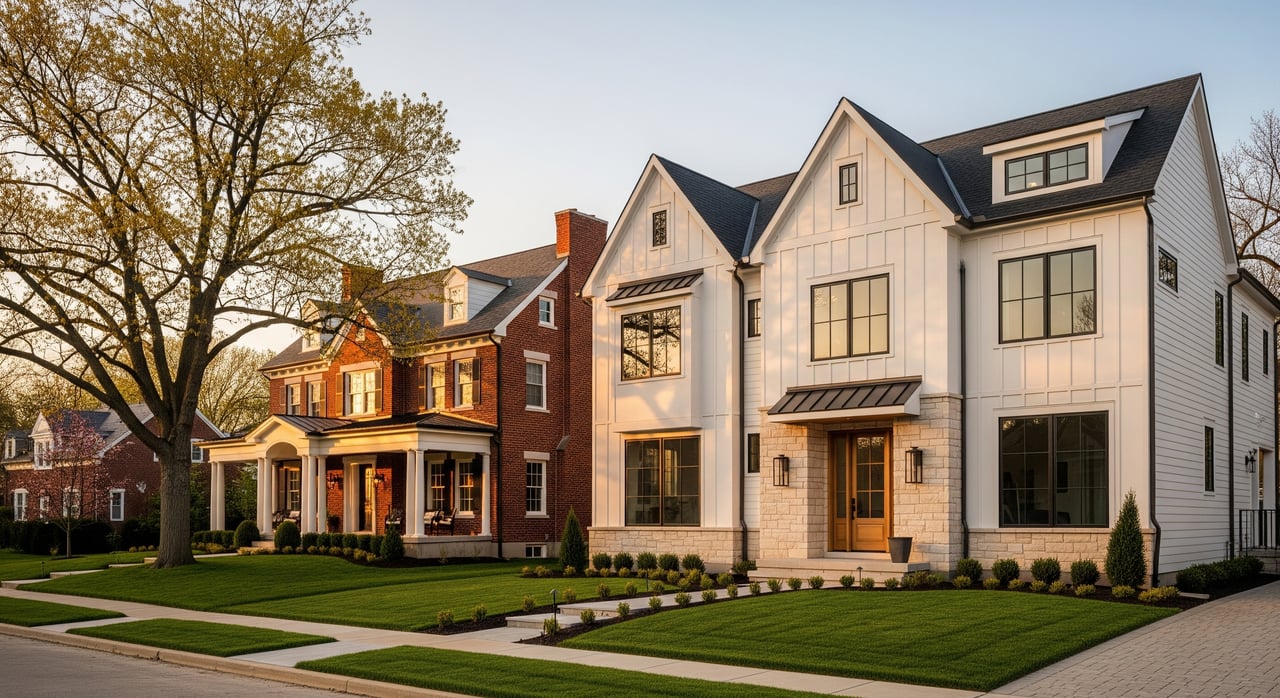
New construction often suits buyers who value customization, modern systems, and warranties, and who can wait for build time and budget for upgrades. Resales often work best for quick moves, established locations, mature landscaping, and fewer upfront option costs. Both paths can be smart. Match the choice to your timeline, cash flow, and neighborhood priorities.
Your next steps
- Get pre-qualified and compare offers from independent lenders and any builder’s preferred lender.
- List top priorities: timeline, commute routes, lot needs, finish flexibility, and amenities.
- For new builds: request the model spec sheet and base inclusions in writing. Have a real estate attorney or experienced agent review the builder contract. Schedule independent inspections at standard phases and confirm appliance and mechanical warranties.
- For resales: order a comprehensive home inspection and any recommended specialty inspections. Review comparable sales and ask for utility and maintenance history.
- For both: verify property taxes and any special assessments with the county assessor. Confirm school-district boundaries with district offices since some subdivisions split across lines. Ask about planned nearby development that could affect traffic, noise, or amenities.
Ready to compare specific neighborhoods and communities in O’Fallon and Fairview Heights with a local guide? Reach out to the Chris & Kait Real Estate Team for a friendly, strategy-first consult. We help you weigh timelines, taxes, HOAs, and finishes so you can buy with confidence.
FAQs
How long does new construction take in O’Fallon or Fairview Heights?
- Spec or in-progress homes can close in about 30 to 90 days, while lot-to-build or custom plans often take 6 to 12 months or more depending on permitting, weather, and builder backlog.
Do new homes require less maintenance at first?
- Generally yes, since systems are new, but you may see normal settlement or finishing items, so strong written warranty coverage and a clear claim process are important.
Will my property taxes be higher on a new build?
- They can be, because the assessment reflects the improved value once completed, and the timing of reassessment and local rules will determine the immediate impact.
Should I use a builder’s preferred lender?
- Builder lenders may offer incentives like closing cost credits or rate buydowns, but you should compare total loan terms with independent lenders before deciding.
Can I negotiate upgrades on a new construction home?
- Yes, especially early in the sales phase, and you can also ask about incentives, reduced lot premiums, or defined inclusions written into the contract.
What should I check in HOA documents before buying?
- Review CC&Rs, current budget, reserves, meeting minutes, and any pending assessments to understand dues levels, rules, and enforcement practices.