Choosing between a condo and a house in 63130 can feel harder than it looks. You may love the idea of a walkable lifestyle near Clayton’s downtown energy or University City’s mixed-use districts, but you also want a home that fits your budget, routine, and long-term plans. The good news is that both areas offer strong options, and the right choice usually comes down to how you want to live day to day. Let’s break it down.
Clayton vs. University City at a glance
Clayton and University City share a central St. Louis location, but they offer different price points and daily rhythms. Clayton is generally the more expensive market and has a more office-focused, downtown-oriented feel, with residential streets often close to restaurants, boutiques, galleries, and business districts.
University City is also central and mixed-use, but its overall feel leans more toward neighborhood connectivity, housing variety, and access to parks and trails. The city highlights active districts like the Loop, while also offering 21 parks, about 260 acres of parkland, and 8 miles of trails.
Why condos appeal in 63130
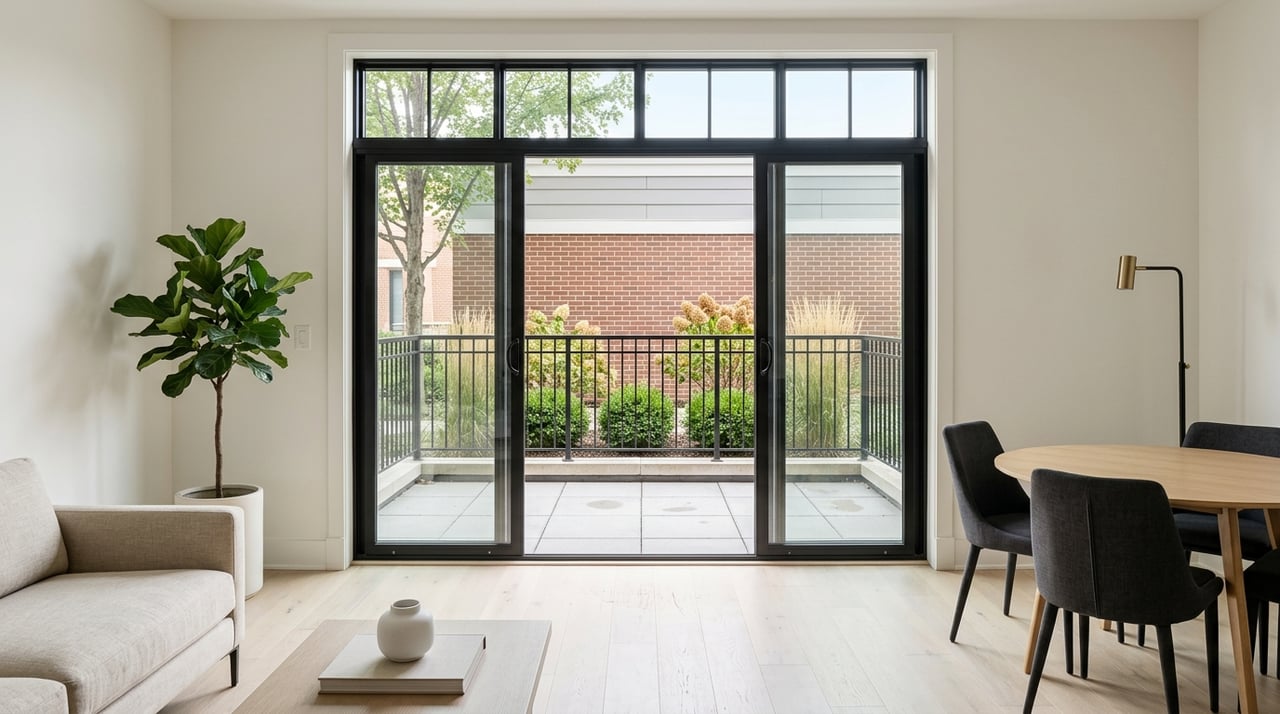
A condo often works well if you want a more streamlined ownership experience. In many buildings, shared maintenance responsibilities mean you may have less direct exterior upkeep than you would with a detached home.
That convenience comes with tradeoffs. Missouri condominium law gives associations the power to adopt rules, collect assessments, regulate common elements, and manage budgets and reserves, so your lifestyle and costs can be shaped by the association as much as the unit itself.
Condo living often means fewer chores
If you are busy, travel often, or simply do not want to manage as much exterior work, a condo can be appealing. HOA dues may help cover items like landscaping, routine maintenance, common areas, shared amenities, and reserve funds.
That can make monthly budgeting feel more predictable in some cases. But it also means you need to look closely at what those dues cover and whether the building has enough reserves for future repairs.
Condo costs go beyond the mortgage
One of the biggest mistakes buyers make is focusing only on principal, interest, taxes, and insurance. HOA dues are usually paid directly to the association, and they can range from a few hundred dollars a month to more than $1,000 a month.
Some communities may also have special assessments for major projects or emergency repairs that reserves cannot fully cover. That is why a lower purchase price does not always mean a lower monthly cost.
Condo rules can shape your lifestyle
Every building is different, and the rules matter. Before you buy, you will want to review parking assignments, pet rules, rental restrictions, insurance details, budgets, reserves, and any history of special assessments.
In practical terms, this can affect everything from where you park to whether you can lease the unit later. A condo may be a great fit if you like structure and shared upkeep, but it is important to know exactly what you are agreeing to.
Why a house may be the better fit
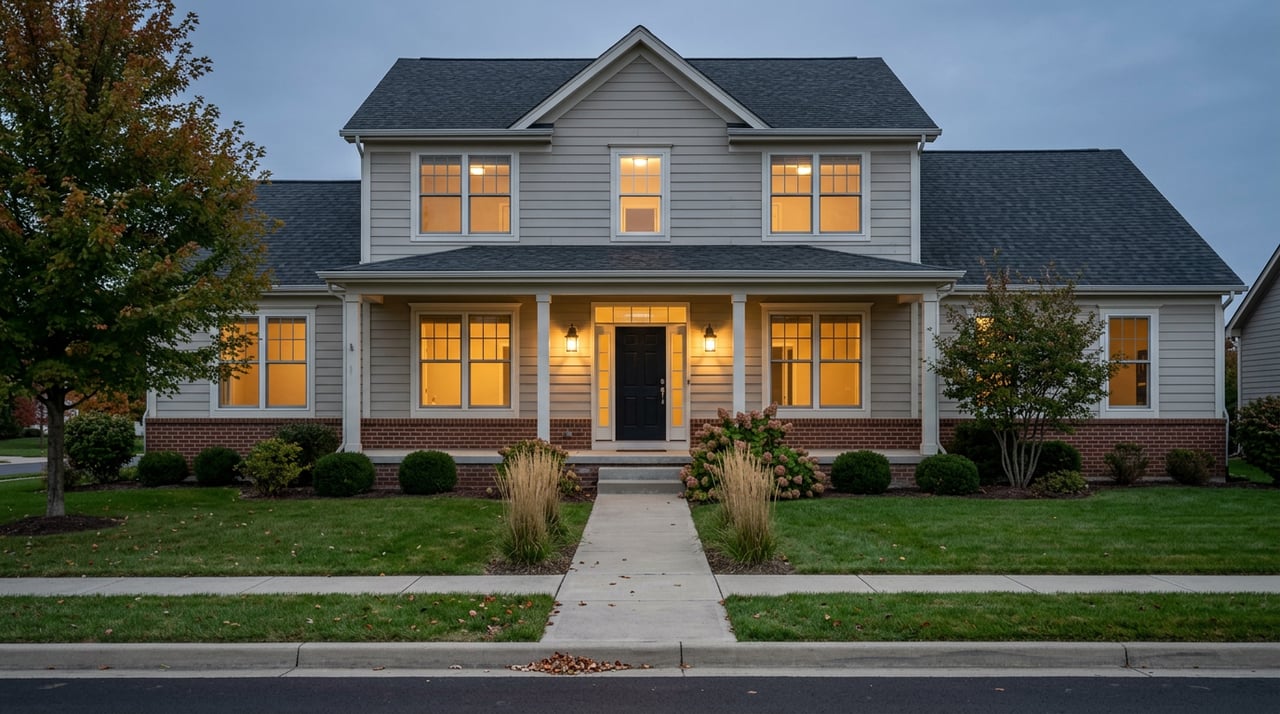
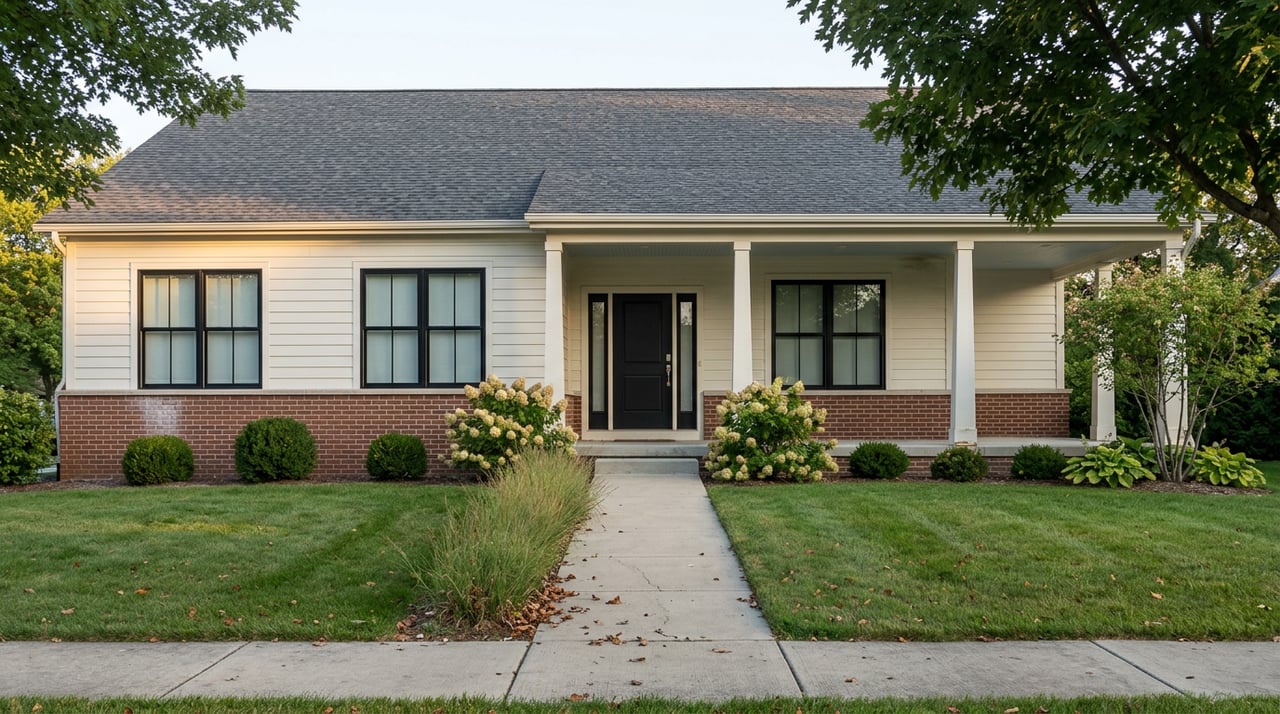
A detached house often appeals to buyers who want more privacy, more control over the property, and more flexible use of indoor and outdoor space. If a yard, garage, or the freedom to make changes matters to you, a house may check more of your boxes.
The tradeoff is responsibility. With a house, more of the maintenance falls directly on you rather than being handled through an association.
Houses offer more control
When you own a house, you generally have more say over how the property is used and maintained. That can be especially attractive if you want to personalize the home, manage your own exterior projects, or simply avoid building-level rules.
For many buyers, that control is worth the added responsibility. It can also feel like a better long-term fit if your space needs may change over time.
Houses can come with hidden costs
A house may not have monthly HOA dues, but that does not mean ownership is automatically cheaper. You will want to account for roof replacement, exterior maintenance, landscaping, snow removal, drainage issues, and other large-ticket items that a condo association may bundle into dues.
This is where a side-by-side budget matters. Looking only at the list price can give an incomplete picture of what ownership will really cost each month and over the next several years.
How pricing differs in Clayton and University City
If budget is a major factor, the market data points to a clear difference between the two areas. Clayton remains the higher-priced option overall, while University City generally offers lower entry points, though prices can vary a lot by neighborhood and property type.
In Clayton, recent data shows a median sale price near $945,700 for all home types, a median condo listing price of about $304,000, and a typical home value above $871,000. Clayton’s own existing-conditions report also found a median single-family price around $1.2 million and a condo or co-op median around $430,000.
University City presents a broader range. Current snapshots show a median condo listing price around $196,000, a median listing price around $273,750, and a median sale price around $402,900, though some submarkets such as University Heights are materially higher.
Lifestyle questions to ask yourself
Price matters, but your day-to-day routine matters just as much. A condo-versus-house decision in 63130 often becomes a lifestyle choice before it becomes a math problem.
Ask yourself what kind of ownership experience you want over the next few years. Your answers can quickly point you toward the better fit.
A condo may fit you if you want:
- A more walkable address
- Less direct exterior upkeep
- Access to shared amenities or common spaces
- A simpler lock-and-leave lifestyle
- A home that may align with a lower entry price than nearby detached options in some areas
A house may fit you if you want:
- More privacy
- More control over property decisions
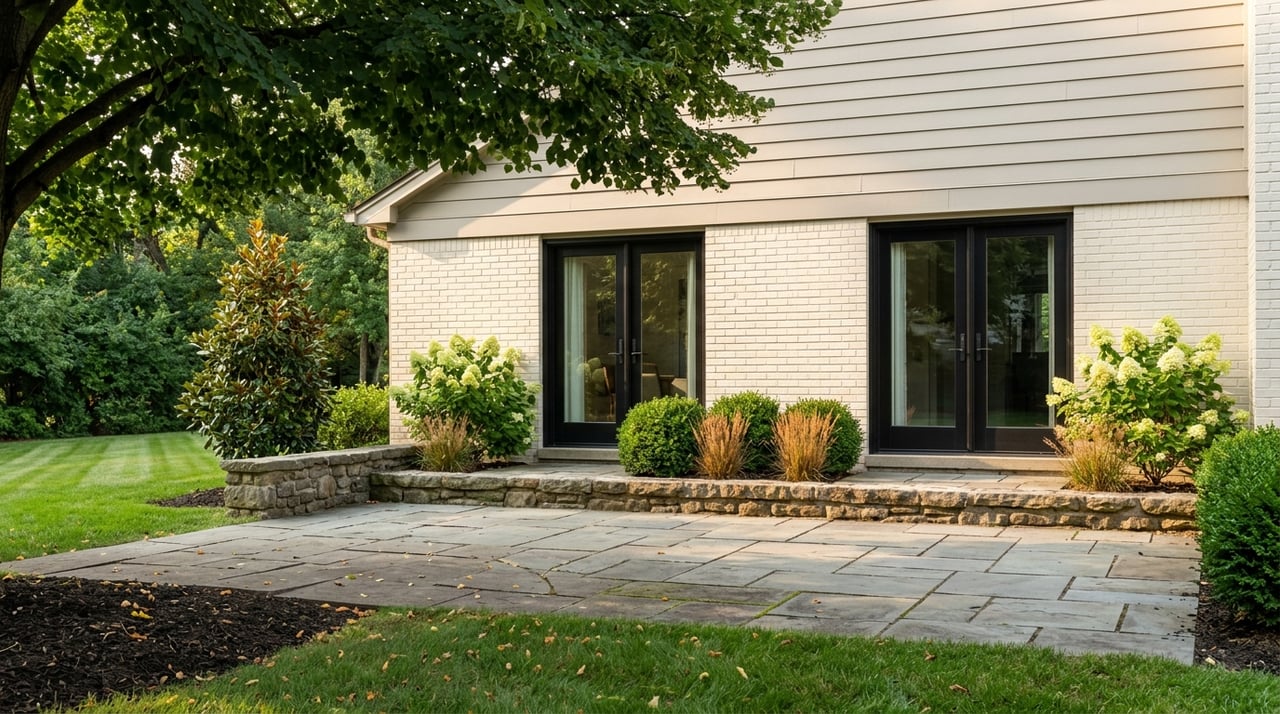
- Outdoor space such as a yard
- Flexible storage or garage space
- Greater separation from neighbors and building rules
Parking and convenience matter more than buyers expect
In both Clayton and University City, parking can shape your daily experience more than you might think. That is especially true if you are comparing a condo in a denser area with a house on a residential street.
Clayton enforces parking Monday through Friday and charges $1.50 per hour in city spaces. The city uses garages, meters, surface lots, and a residential parking program, and the MetroLink station connects by walkway to the Shaw Park Garage and Transit Center.
University City also uses meter zones and has a municipal garage in the Loop. It also charges $30 per month for a Zone D residential permit.
If parking convenience is a priority, ask detailed questions before you buy. One assigned space versus two, garage access, permit needs, and guest parking can make a big difference in your everyday routine.
Amenities feel different in each community
Your decision may also come down to how you want to spend your free time. In Clayton, amenities are anchored by major civic spaces like Shaw Park and the Center of Clayton.
Shaw Park spans 47.47 acres and includes an aquatic center, ice rink, tennis courts, fields, playgrounds, and walking paths. The Center of Clayton adds a 124,000-square-foot recreation center, which supports an active, centralized amenity experience.
University City offers a different pattern. Instead of one dominant civic park, it provides a broader network of neighborhood parks and trails, which can create a more distributed park-and-neighborhood feel.
What to review before you decide
Whether you lean condo or house, a careful review can save you stress later. The smartest buyers compare not just the property, but the full ownership structure behind it.
If you are buying a condo
Review these items closely:
- HOA budget
- Reserve funds
- Insurance coverage details
- Special assessment history
- Parking assignments
- Pet rules
- Rental restrictions
- Current monthly dues
If you are buying a house
Review these ownership costs carefully:
- Roof age and replacement timing
- Exterior maintenance needs
- Landscaping needs
- Snow removal responsibility
- Drainage or grading issues
- Parking setup and garage condition
- Expected near-term repair costs
So, condo or house in Clayton and University City?
A simple rule of thumb is this: a condo is often the better fit if you want a walkable address with fewer chores, while a house usually makes more sense if you want more space and independence. In Clayton, that choice often comes with a higher price point overall. In University City, you may find more flexible entry points, depending on the property type and location.
There is no one-size-fits-all answer, and that is exactly why local guidance matters. The right move depends on your budget, your routine, and how much maintenance, structure, and flexibility you want in your next home.
If you are weighing condos and houses in Clayton or University City, the Chris & Kait Real Estate Team can help you compare options, understand the numbers, and find the fit that makes sense for your life.
FAQs
What is the main difference between buying a condo or house in Clayton and University City?
- In 63130, a condo often offers less direct exterior upkeep and more shared rules and fees, while a house usually offers more privacy, control, and maintenance responsibility.
Are condos in Clayton more expensive than condos in University City?
- Yes, current market snapshots show Clayton condo prices are generally higher, with a median condo listing price around $304,000 compared with about $196,000 in University City.
What condo documents should buyers review before purchasing in Missouri?
- Buyers should review the HOA budget, reserves, insurance details, special assessment history, parking assignments, pet rules, rental restrictions, and monthly dues.
How do house prices compare between Clayton and University City?
- Clayton is generally the higher-priced market, with recent data showing a much higher median sale price overall than University City.
Why do HOA dues matter when comparing a condo and a house?
- HOA dues can significantly affect your monthly cost because they are usually paid directly to the association and may cover maintenance, common areas, amenities, and reserve funding.
What should buyers know about parking in Clayton and University City?
- Both communities use structured parking systems in some areas, including meters, garages, and residential permits, so buyers should confirm how parking works for any property they are considering.